Wireless set
Animal FarmOld Major’s foundational speech to the animals had laid down a strict prohibition against adopting any human custom: no animal must ever live in a house, sleep in a bed, wear clothes, drink alcohol, smoke tobacco, touch money, or engage in trade. The early days of the Rebellion saw these rules enthusiastically enforced—the harness-room was emptied of bits, nose-rings, dog-chains, and whips, all flung onto a rubbish fire, and Snowball declared that ribbons, being clothes, should be burned as well. The farmhouse itself was preserved as a museum, and no animal was to enter it. Yet within a few years the pigs had moved into the farmhouse, slept in its beds, and begun to consume the milk and apples that were reserved for them as brainworkers. Squealer’s glib propaganda—that the pigs needed these privileges to safeguard the Revolution—silenced the murmurs of the other animals.
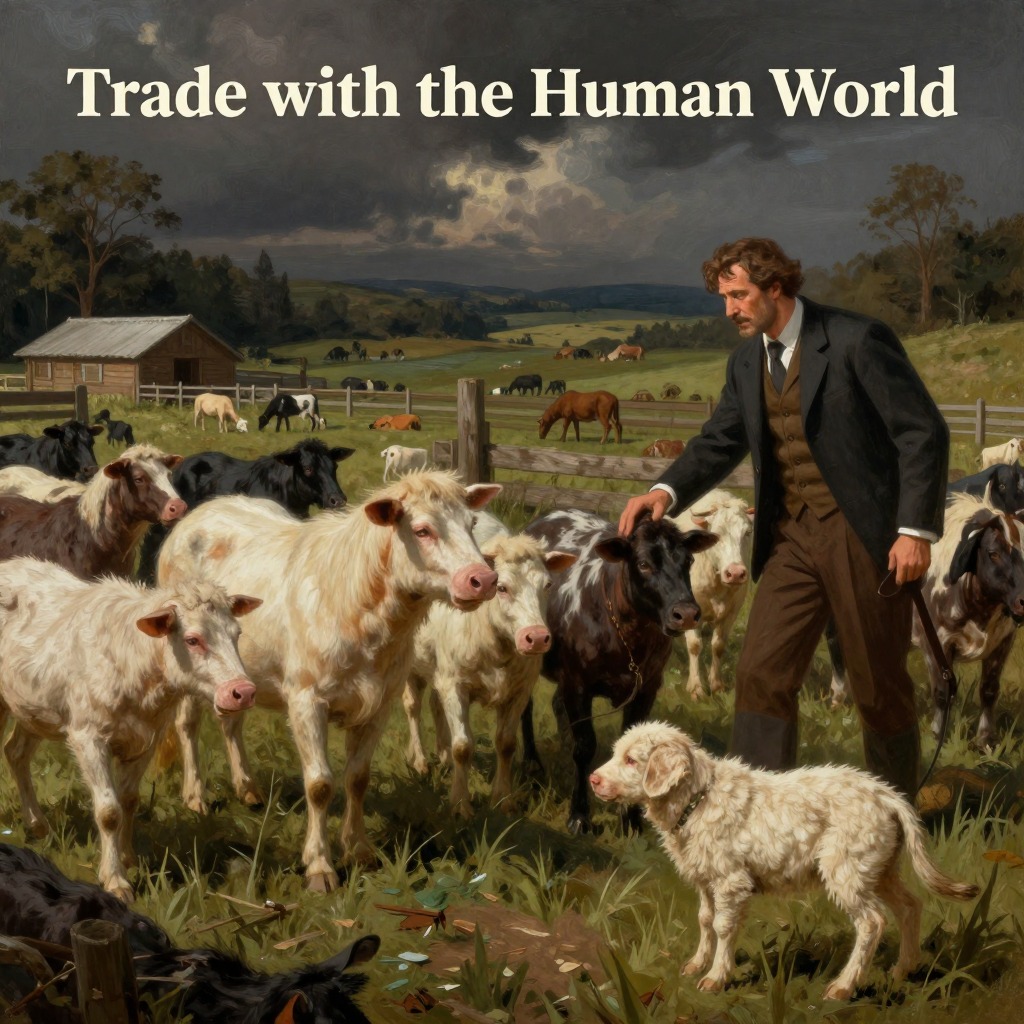
By the time the windmill was rebuilt and the farm had grown more prosperous, the pigs had not only taken over the farmhouse but had also started to engage in trade with neighbouring humans through Mr. Whymper, despite the earlier resolution against any dealings with mankind. The farm grew richer, but the other animals remained hungry and overworked; the pigs and dogs alone prospered. In the final chapter, after the pigs have begun walking on their hind legs and Napoleon has been seen carrying a whip, the narrator reports that the pigs bought themselves a wireless set, arranged to install a telephone, and took out subscriptions to human newspapers. Napoleon himself strolled in the garden with a pipe, and the pigs donned Mr. Jones’s clothes—Napoleon in a black coat and ratcatcher breeches, his favourite sow in Mrs. Jones’s watered silk dress. The wireless set, a quintessentially human device for receiving news and entertainment, represents the final stage of the pigs’ transformation into the very beings they had once rebelled against.
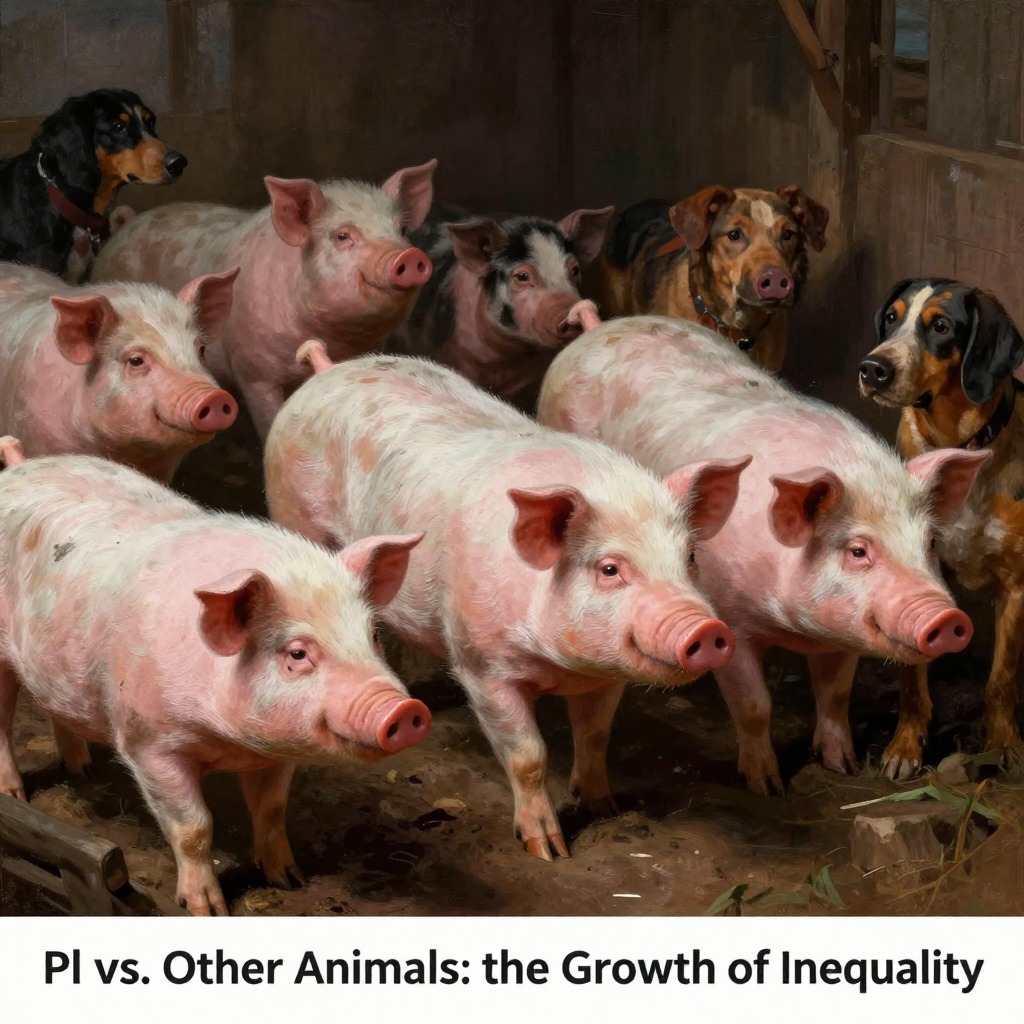
The purchase of the wireless set is the culmination of a long process in which the pigs systematically erased every distinction between themselves and the humans they had expelled. The Seven Commandments, originally written to forbid such behaviour, had been surreptitiously altered—the Fourth Commandment now read “No animal shall sleep in a bed with sheets,” the Fifth “No animal shall drink alcohol to excess,” and the Sixth “No animal shall kill any other animal without cause.” When the pigs later appeared in the yard on their hind legs, the sheep bleated “Four legs good, two legs better!” instead of the original maxim. The final scene, in which the animals looking through the farmhouse window cannot tell pig from man, confirms that the pigs have become indistinguishable from the humans they once despised. The wireless set, sitting in the farmhouse alongside the telephone and the newspapers, is a material marker of that complete assimilation.